

Above: Ordnance map courtesy of: https://www.devonperspectives.co.uk/devon_osmap.html
Beara Farm
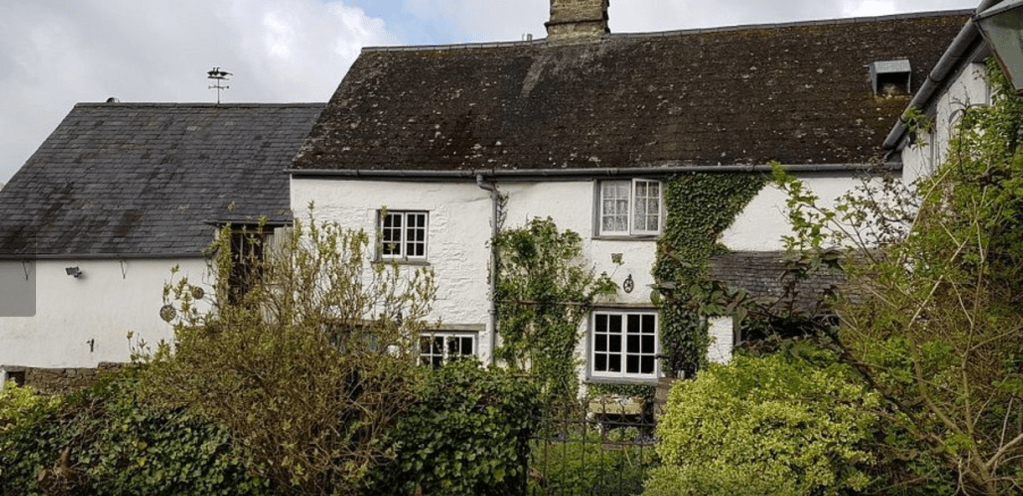
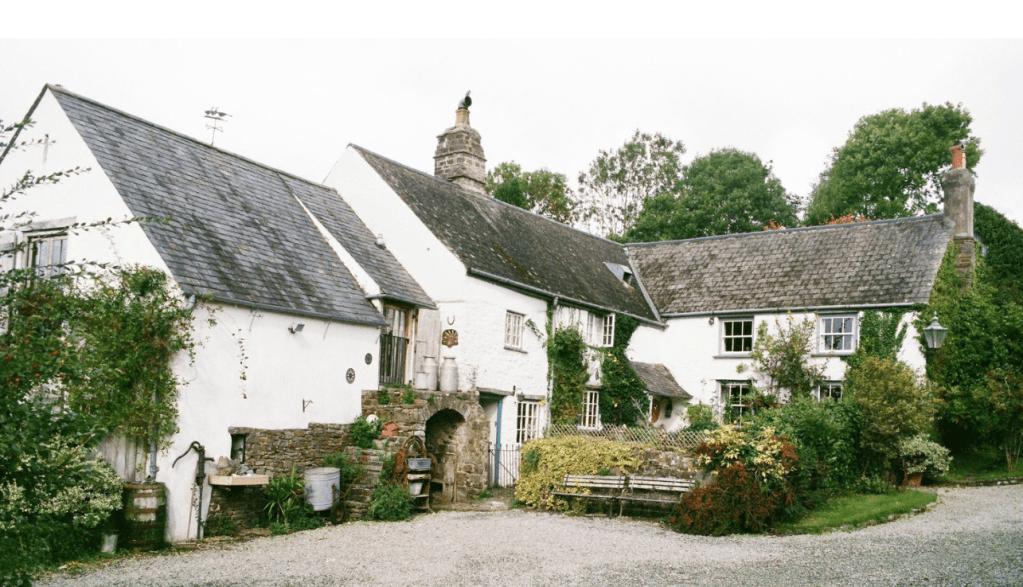
Lawrence Vodden 1665-1733 and Learance Vodden 1708-1768 both resided at Beara (from the Saxon meaning “wooded pasture”), a farm of 110 acres which is half way between St. Giles-in-the-Wood and Roborough tucked away in a sheltered valley, surrounded by open rolling countryside. The walls of the Beara farmhouse were constructed with Devon stone and a traditional combination of clay and straw, some being nearly a meter thick in places. The original ceiling beams are blackened by smoke from past years of exposure with a stonework chimney, reaching up to a vaulted beamed roof. A bread oven was situated behind panels in a large inglenook fireplace.


Kingscott House
Learance Vodden‘s 1708-1768 son, Lawrence Vodden 1750-1831 resided at Kingscott House and operated a farm of a large number of acres. Kingscott House which is about one mile south of St. Giles-in-the-Wood on rolling countryside.
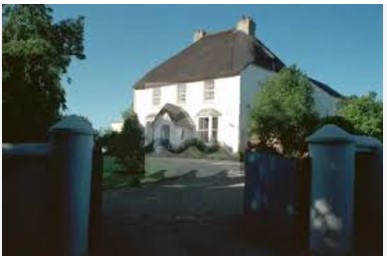
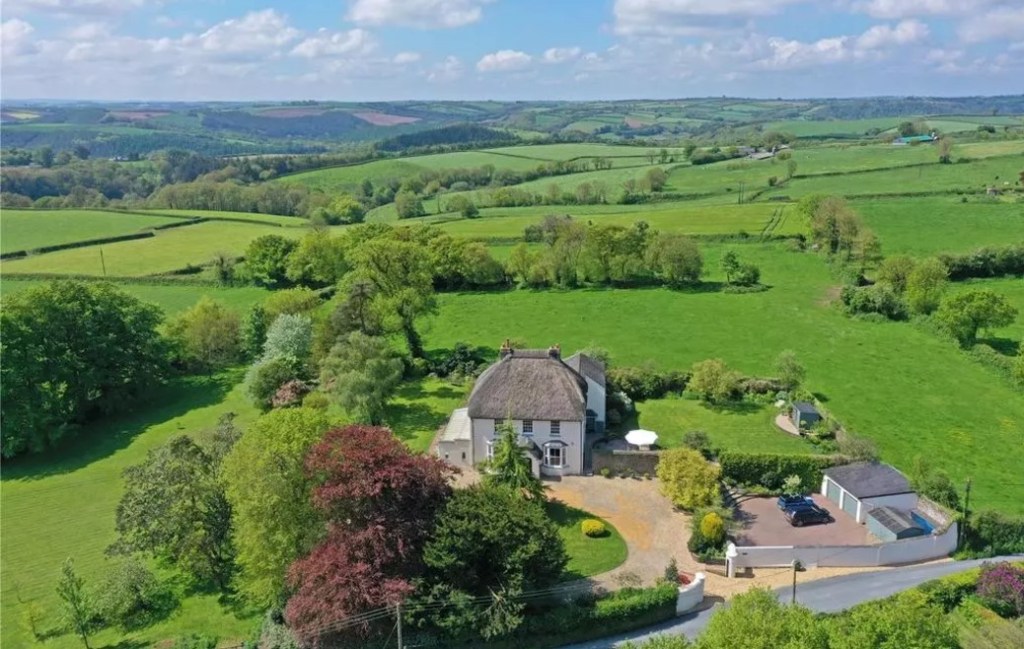
Listed on the National Heritage List for England: ST GILES KINGSCOTT SS 51 NW IN THE WOOD 18/213 Kingscott House – GV II https://historicengland.org.uk/listing/the-list/list-entry/1104980
A current listing for the sale of Kingscott House stated: Situated in the tranquil hamlet of Kingscott, enjoying views over the surrounding rolling countryside, is this beautiful detached character residence. The hamlet of Kingscott is located just 2.5 miles from the historic market town of Great Torrington,.
“This Grade II listed Georgian property is thought to date back to the late 1700s and was purchased by Lord Rolle in 1814 and extended in the mid 1800s to accommodate the rector of St Giles in the Wood. It enjoys a fabulous position and wonderful far-reaching countryside views.
Kingscott House is accessed through wrought iron gates and retains a wealth of character features with high ceilings and ample natural light. It is comprised of four reception rooms and a study, with six bedrooms and four bathrooms. The conservatory is a recent addition. There is an ancillary cottage to the rear of the main house, known as The Garden Cottage.
The grounds of the property are a particular feature, with various areas of lawns, mature plants, trees and shrubs and, from the majority of the garden, views over rolling countryside. In all, the gardens and grounds on which the house is situated amount to around 1.9 acres.” https://www.devonlive.com/


No doubt the current photos are very much updated but these give a sense of the layout and luxury of this 1700s dwelling.
 Vodden Surname Study